
Let’s get down to making some seriously good sourdough bread using your Dutch oven. If you’re wondering how to get those cracks, that deep crust, and that chewy interior, the Dutch oven is definitely your best friend. Think of it as a mini-bakery that traps steam, creating the perfect environment for your dough to rise and develop that glorious crust. It’s not about magic, it’s about understanding how heat and steam work together.
The Dutch oven isn’t just a fancy pot; it’s a game-changer for sourdough. Its heavy lid traps the steam released from the dough during the first part of baking. This steam is crucial for a few reasons.
Why Steam Matters So Much
When sourdough hits the hot oven, the dough is still pretty pliable. Without steam, the crust hardens too quickly, limiting how much the loaf can expand.
- Moisture Retention: The steam keeps the exterior of the loaf moist and flexible, allowing it to puff up significantly. This is what leads to that beautiful “oven spring.”
- Crust Development: Once the oven spring is complete, you remove the lid. This allows the moisture to escape and the crust to crisp up and develop its characteristic deep color and satisfying crunch. Without this second stage, you’d end up with a pale, soft crust.
- Heat Distribution: The cast iron retains and distributes heat very evenly, which means consistent baking throughout the loaf. No more hot spots burning one side while the other is still pale.
Choosing the Right Dutch Oven
While you can technically use any oven-safe pot with a lid, cast iron is the gold standard for a reason.
- Material: Cast iron provides superior heat retention and distribution, which is key for sourdough. Enameled cast iron is fantastic because it’s non-reactive and easier to clean than plain cast iron.
- Size: A 5-6 quart Dutch oven is usually a good starting point for a standard loaf. If you want to bake larger loaves, consider a 7-8 quart. Ensure the interior dimensions are wide enough to accommodate your dough comfortably, allowing for expansion.
- Lid Type: Both round and oval Dutch ovens work well. The shape will influence the final loaf shape. A lid that seals tightly is important for trapping steam.
If you’re looking to elevate your sourdough baking skills, you might find the article on sourdough bread recipes particularly useful. It offers a variety of techniques and tips that can complement your Dutch oven baking experience. For more insights and detailed recipes, check out this helpful resource: Sourdough Calculator Blog.
The Essential Sourdough Starter
Before you even think about recipes, you need a healthy, active sourdough starter. This is the heart of your sourdough bread. Your starter is a living culture of wild yeast and bacteria that gives sourdough its unique flavor and leavening power.
Keeping Your Starter Happy and Active
This isn’t a complicated process, but it requires consistency.
- Feeding Schedule: Most people feed their starter once or twice a day, especially when they are actively baking. The ratio of starter to flour and water (often called the “feeding ratio”) can vary, but 1:1:1 (by weight) is a common starting point.
- Signs of Readiness: An active starter will be bubbly, have doubled or tripled in volume a few hours after feeding, and will have a pleasant, slightly tangy aroma. If it smells like acetone or strong alcohol, it might be hungry.
- Storage: You can keep your starter at room temperature if you feed it daily and bake often. If you bake less frequently, storing it in the refrigerator and feeding it once a week is a good option. Just remember to take it out a day or two before you plan to bake to let it re-activate.
Troubleshooting Common Starter Issues
Don’t get discouraged if your starter acts up.
- Liquid on Top (Hooch): This is a sign your starter is hungry. Just pour it off and feed it, or stir it in for a more tangy bread.
- Slow Activity: This can be due to temperature. Warmer environments generally encourage faster activity, while cooler ones slow it down. Ensure you’re using good quality flour and filtered water if your tap water is heavily chlorinated.
A Simple, Go-To Dutch Oven Sourdough Recipe

Once you have a reliable starter, you can start baking. This recipe is a bedrock for many variations. It’s designed to be approachable and deliver consistent results in a Dutch oven.
Ingredients and Their Purpose
Every ingredient plays a role in the final loaf.
- Active Sourdough Starter: The leavening agent and flavor contributor.
- Flour: The structure builder. High-protein bread flour is best for a strong gluten network. You can also experiment with all-purpose or add some whole wheat for depth.
- Water: Hydrates the flour to develop gluten and allows fermentation. Temperature is important – cooler water slows fermentation, warmer water speeds it up.
- Salt: Enhances flavor, strengthens the gluten structure, and controls fermentation.
The Baker’s Schedule: From Mixing to Baking
Sourdough is a journey, not a race. Understanding the timeline is key.
- Autolyse (Optional but Recommended): Mix flour and water and let it rest for 30 minutes to an hour before adding the starter and salt. This allows the flour to fully hydrate and gluten development to begin, making the dough easier to handle.
- Mixing: Incorporate your active starter and salt into the autolysed mixture. Mix until just combined. The dough will be shaggy.
- Bulk Fermentation: This is the primary fermentation phase where the starter works its magic. It typically involves a series of “stretch and folds” every 30-60 minutes for the first few hours.
- Stretch and Folds: Imagine the dough is a wet towel. Wet your hand, grab one side of the dough, stretch it upwards gently, and fold it over the center. Rotate the bowl 90 degrees and repeat 3-4 more times. This builds gluten structure without aggressive kneading.
- Duration: Bulk fermentation can last anywhere from 4 to 8 hours, depending on your kitchen temperature and starter activity. You’re looking for the dough to increase in volume (around 30-50%) and become visibly airy.
- Shaping: Once bulk fermentation is complete, gently turn the dough out onto a lightly floured surface. Shape it into your desired form (round boule or an oval bâtard). Be gentle to avoid deflating the air bubbles.
- Cold Proofing (Retarding): Place the shaped dough in a proofing basket (banneton) seam-side up and cover it. Refrigerate it for 12-24 hours. This slow, cold fermentation develops complex flavors and makes the dough easier to score.
- Baking:
- Preheat: Place your Dutch oven (lid on) in the oven and preheat to a high temperature, typically 450-500°F (230-260°C), for at least 30-45 minutes. This ensures the oven and the Dutch oven are screaming hot.
- Scoring: Carefully turn your cold dough out of the basket onto parchment paper. Score the top of the dough with a sharp lame or razor blade. A simple cross or a more intricate design works. This controls where the loaf expands.
- Baking Covered: Carefully place the dough (on the parchment paper) into the hot Dutch oven. Cover with the lid and bake for 20-25 minutes. The lid traps steam.
- Baking Uncovered: Remove the lid and continue baking for another 20-30 minutes, or until the crust is a deep, rich brown and the internal temperature reaches around 205-210°F (96-99°C).
- Cooling: This is arguably the hardest part. Let the bread cool on a wire rack for at least 2-3 hours, preferably longer, before slicing. This allows the interior to set properly.
Elevating Your Sourdough: Variations and Additions
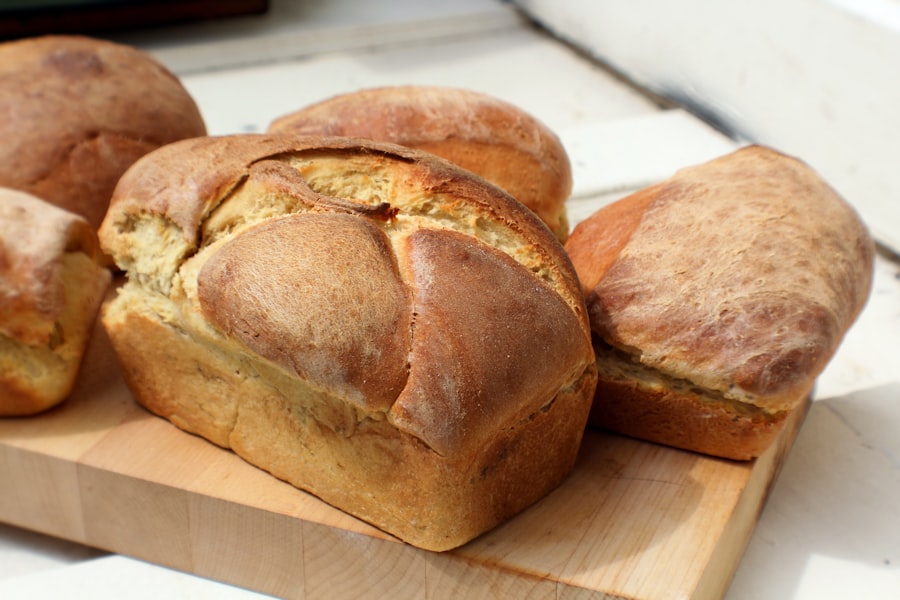
Once you’ve mastered the basic loaf, it’s time to play with flavors and textures. Your Dutch oven will handle these variations just as beautifully.
Incorporating Whole Grains
Adding whole wheat, rye, or spelt flour can significantly alter the flavor and texture of your sourdough.
- Percentage: Start by substituting 10-30% of your bread flour with whole grain flour. Too much can make the dough difficult to handle and result in a denser loaf, especially in a Dutch oven where structure is key.
- Hydration Adjustments: Whole grains absorb more water. You might need to increase your water slightly when using higher percentages of whole grains.
- Flavor Profile: Whole wheat adds a nuttier, earthier taste. Rye brings a distinct tang and can lead to a slightly gummier crumb if not handled correctly. Spelt offers a milder, slightly sweet flavor with a tender crumb.
Flavor Infusions: Herbs, Seeds, and Spices
This is where you can get creative. Think about what you like to eat with bread.
- Herbs: Fresh or dried rosemary, thyme, oregano, or chives can be folded into the dough during the last few stretch and folds. Ensure they are finely chopped.
- Seeds: Sunflower, pumpkin, sesame, or poppy seeds can be added in quantities that don’t compromise the dough’s structure – usually around 10-20% of the flour weight. Toasting seeds beforehand can enhance their flavor.
- Spices: A pinch of smoked paprika, cumin, or even a touch of red pepper flakes can add a unique kick.
- Olives, Cheeses, and Dried Fruits: These are best added during the shaping phase to prevent them from breaking down too much during bulk fermentation. Ensure olives are pitted and dried fruits are not overly sticky.
If you’re looking to elevate your baking skills, exploring different techniques can be incredibly beneficial. One such technique is using a Dutch oven for sourdough bread, which helps create a perfect crust and a soft interior. For more insights on achieving the best results with your sourdough, you might find this article on mastering the art of sourdough particularly useful. It offers valuable tips that can complement your Dutch oven baking experience and help you create perfect loaves every time.
Troubleshooting Common Dutch Oven Sourdough Issues
| Recipe Name | Ingredients | Preparation Time | Baking Time |
|---|---|---|---|
| Classic Dutch Oven Sourdough Bread | Flour, water, sourdough starter, salt | 12 hours (including resting time) | 45 minutes covered, 15 minutes uncovered |
| Rustic Dutch Oven Sourdough Bread | Whole wheat flour, bread flour, water, sourdough starter, salt | 14 hours (including resting time) | 50 minutes covered, 20 minutes uncovered |
| Herb-infused Dutch Oven Sourdough Bread | Flour, water, sourdough starter, salt, herbs (rosemary, thyme, etc.) | 13 hours (including resting time) | 55 minutes covered, 15 minutes uncovered |
Even with the best recipe, you might run into a few hiccups. Here’s how to address them.
The Pale Crust Conundrum
A common issue is a crust that’s not as dark or crisp as you’d like.
- Oven Temperature: Ensure your oven is truly preheated. Some ovens run hotter or cooler than their settings. An oven thermometer is a useful tool.
- Baking Time: Are you baking uncovered long enough? If the internal temperature is within range but the crust is pale, try increasing the uncovered baking time by 5-10 minutes.
- Dutch Oven Heat: Make sure the Dutch oven itself is preheated thoroughly. If it’s not hot enough, it won’t transfer enough heat to achieve a good crust.
- Sugar Content: While not common in basic sourdough, if you’ve added ingredients with natural sugars (like dried fruits), they can caramelize faster. Keep an eye on those.
- Steam Release: Make sure you’re removing the lid to allow moisture to escape. If you’re consistently getting pale crusts, you might be baking with the lid on for too long.
Dough Sticking to the Dutch Oven
This can be frustrating, especially after all your hard work.
- Parchment Paper is Your Friend: Always use parchment paper to lower your dough into the hot Dutch oven. This creates a barrier and makes transferring the loaf easy.
- Proper Preheating: A well-preheated Dutch oven helps create a non-stick surface, especially with cast iron.
- Flour Amount: While you want to avoid a gummy exterior, a very dry dough might be more prone to sticking. Ensure your dough isn’t excessively dry.
- Cooling: Let the bread cool in the Dutch oven for the first 5-10 minutes after removing it from the oven. This can help release some steam and make it easier to remove. Then transfer to a wire rack.
Dense Crumb or Poor Oven Spring
This is often related to dough handling and fermentation.
- Starter Activity: Is your starter truly active and mature? A weak starter won’t produce enough gas to lift the dough.
- Bulk Fermentation: Did you ferment for long enough? The dough needs to develop strength and gas. Over-fermenting can lead to a slack dough that collapses. Under-fermenting means not enough air pockets.
- Shaping Technique: Over-handling or under-handling during shaping can impact oven spring. Be gentle but firm enough to create surface tension.
- Scoring Depth: Was your scoring deep enough? A shallow score won’t provide a good “release point” for the dough to expand.
- Dutch Oven Temperature: Again, ensure the Dutch oven is hot enough. A cooler oven means less initial “oven spring.”
- Dough Hydration: Very high hydration doughs can be harder to handle and can sometimes result in a denser crumb if the gluten structure isn’t well-developed.
By understanding these elements and approaching each bake as a learning opportunity, you’ll be consistently producing fantastic Dutch oven sourdough bread. Your kitchen will smell amazing, and your taste buds will thank you.