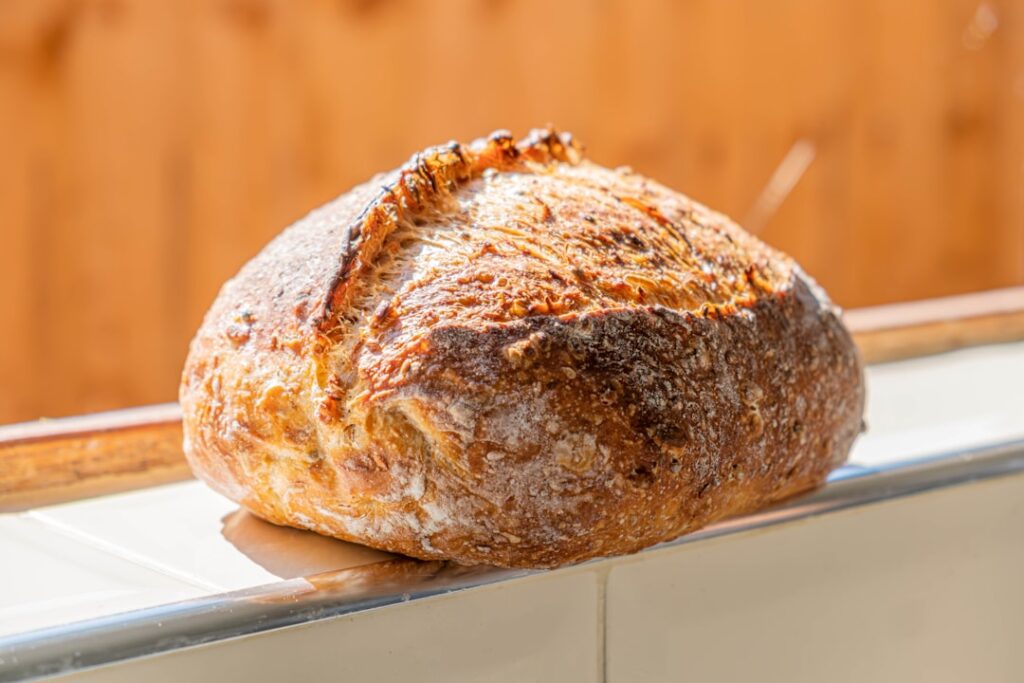
Thinking about adding Rustik Sourdough to your pantry? Good call. It is a fantastic choice for taste, texture, and even your gut. This isn’t just another bread; it has depth, a delightful chew, and some real benefits that set it apart.
It all starts with the starter. This isn’t your grandma’s packet of yeast. A sourdough starter is a living culture of wild yeasts and lactic acid bacteria (LABs) that ferments the dough. These microscopic workers are what give sourdough its signature tang and unique open crumb structure.
The Starter: A Living Organism
Imagine a tiny ecosystem in a jar. That’s your sourdough starter. It needs regular feeding – flour and water – to stay active and healthy. The wild yeasts in the starter consume the sugars in the flour, producing carbon dioxide gas, which then causes the dough to rise. The LABs are busy producing lactic and acetic acids, which contribute to the flavor and also help preserve the bread. It’s a slow process, which is part of its charm and benefit.
Longer Fermentation Means More Flavor
Unlike commercial breads that often use baker’s yeast for a quick rise, sourdough takes its sweet time. This extended fermentation period allows the LABs to break down starches and proteins in the flour more thoroughly. This enzymatic action is what develops those complex, nuanced flavors you find in a good sourdough loaf. Think about fine wine or aged cheese – time plays a crucial role in creating depth and character.
If you’re interested in exploring more about the art of sourdough baking, you might find this article on the science behind sourdough fermentation particularly enlightening. It delves into the intricacies of how wild yeast and bacteria work together to create that distinct flavor and texture we love in rustik sourdough bread. You can read more about it here: The Science of Sourdough Fermentation.
The Health Benefits You Might Not Expect
Beyond taste, Rustik Sourdough brings some healthy advantages to the table. These aren’t magic bullet claims, but rather well-understood benefits of the traditional sourdough process.
Easier on Your Digestion
This is a big one for many people. The fermentation process pre-digests some of the gluten and complex carbohydrates in the flour. This can make sourdough easier to digest, particularly for individuals who experience mild sensitivities to conventionally made bread. It is not a cure for celiac disease, but it can make a noticeable difference for others.
- Breaking Down Gluten: While not gluten-free, the LABs help break down some of the gluten proteins, making them less allergenic for some.
- Reduced FODMAPs: Some of the fermentable oligo-, di-, mono-saccharides and polyols (FODMAPs) in wheat can be reduced during the long fermentation, which can be helpful for those with Irritable Bowel Syndrome (IBS).
Nutrient Bioavailability Boost
The natural acids produced during sourdough fermentation, especially phytic acid, help unlock the nutrients in the flour. Phytic acid can inhibit the absorption of certain minerals like iron, zinc, and magnesium.
- Phytic Acid Reduction: The LABs enzymes, specifically phytase, significantly reduce phytic acid levels. This means your body can better absorb the beneficial minerals present in whole grains.
Lower Glycemic Index
Another advantage of sourdough’s unique chemistry is its impact on blood sugar. The acids produced during fermentation slow down the rate at which glucose is released into the bloodstream.
- Slower Sugar Release: This slower release results in a lower glycemic index (GI) compared to many other breads. This can be beneficial for managing blood sugar levels and promoting sustained energy.
Rustik Sourdough: Beyond Just White Flour
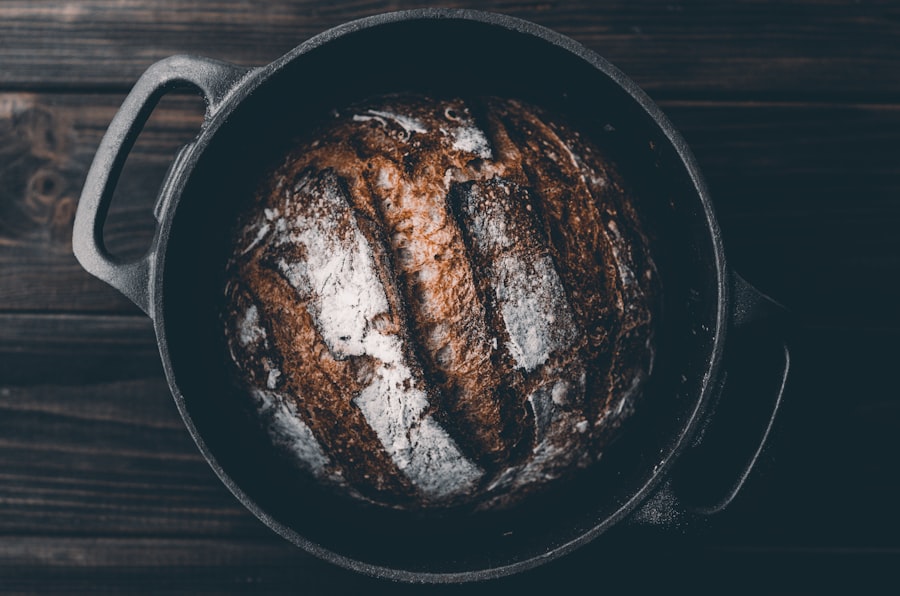
While classic sourdough often uses white flour, Rustik Sourdough frequently incorporates a blend, often including whole wheat or rye. This amplifies both flavor and nutritional content.
Whole Grains for More Goodness
Adding whole grains to the sourdough recipe brings a wealth of additional benefits. Whole wheat and rye flours contain more fiber, vitamins, and minerals than refined white flour.
- Increased Fiber: Dietary fiber is crucial for digestive health and can contribute to feelings of fullness.
- Vitamins and Minerals: Whole grains pack more B vitamins, iron, magnesium, and other essential nutrients.
A Deeper Flavor Profile
The inclusion of whole grains also adds a richer, more complex flavor to the bread. Rye, for example, lends a distinctive earthy and slightly spice-like note that complements the classic sourdough tang beautifully. This variation makes Rustik Sourdough versatile for many culinary uses.
Using Your Rustik Sourdough
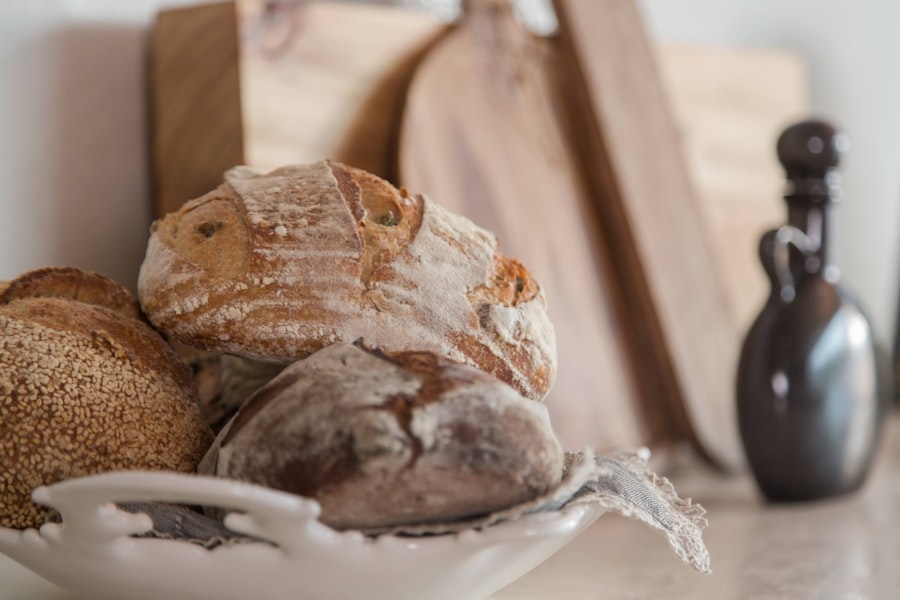
This bread is incredibly versatile. Don’t just relegate it to toast. Its robust structure and flavor make it a star in many dishes.
Everyday Enjoyment
- Classic Toast: Of course, it makes excellent toast. The crust gets wonderfully crisp, and the interior remains chewy. Pair it with avocado, eggs, or your favorite jam.
- Sandwiches: The firm crumb holds up well to substantial fillings without getting soggy. Roast beef, smoked salmon, or a hearty vegetarian spread all work well.
- With Soup or Salad: Its crust is perfect for soaking up broths and vinaigrettes.
Creative Culinary Uses
- Croutons: Cut into cubes, toss with olive oil and herbs, then bake until golden and crisp. They elevate any salad or soup.
- Breadcrumbs: Stale sourdough makes phenomenal breadcrumbs. Blitz it in a food processor, and use it for coating cutlets, topping casseroles, or binding meatballs. The sourdough tang adds an extra layer of flavor.
- Bruschetta: Lightly grill or toast thin slices, rub with garlic, drizzle with olive oil, and top with fresh diced tomatoes, basil, and a sprinkle of salt. The firm texture holds the toppings without collapse.
- French Toast: While it might seem unconventional, sourdough French toast is a revelation. The slightly sour notes cut through the sweetness of maple syrup or fruit, creating a more balanced flavor profile. The sturdy crumb also absorbs the custard well without falling apart.
If you’re looking to enhance your baking skills, exploring the intricacies of rustik sourdough bread can be incredibly rewarding. This type of bread not only boasts a delightful crust and chewy texture but also offers a unique flavor profile that many find irresistible. To further refine your technique, you might find it helpful to read an insightful article on mastering the art of sourdough, which provides valuable tips for achieving perfect loaves every time. You can check it out here.
Storing Your Rustik Sourdough Properly
| Aspect | Metric |
|---|---|
| Calories | 250 per 100g |
| Protein | 8g per 100g |
| Fat | 1g per 100g |
| Carbohydrates | 50g per 100g |
| Fiber | 3g per 100g |
To enjoy your Rustik Sourdough at its best, proper storage is key. It’s a living product, and while fairly resilient, it benefits from a bit of care.
Short-Term Storage (1-3 Days)
For immediate consumption, keep it at room temperature.
- Wrap It Up: A clean linen bread bag or a paper bag works well. Avoid airtight plastic bags at room temperature, as this can encourage mold growth and soften the crust.
- Cut Side Down: If you have a partial loaf, placing the cut side down on a clean cutting board can help prevent it from drying out.
Longer-Term Storage (Beyond 3 Days)
If you won’t finish the loaf quickly, the freezer is your friend.
- Whole Loaf: Wrap the entire loaf tightly in plastic wrap, then an additional layer of foil. This double layer helps prevent freezer burn.
- Sliced: For convenience, slice the loaf before freezing. Stack the slices with parchment paper in between, then place them in an airtight freezer bag or container. This allows you to grab just a few slices as needed.
- Thawing: Thaw frozen sourdough at room temperature. For a fresh-baked feel, sprinkle the loaf lightly with water and reheat in a 350°F (175°C) oven for 10-15 minutes until the crust is crisp again. Sliced bread can be popped directly into a toaster.
Rustik Sourdough is more than just bread; it is a product of time, natural fermentation, and often, quality ingredients. Its complex flavor, satisfying texture, and potential digestive benefits make it a worthy addition to your diet. It stands apart from mass-produced loaves, offering a taste of tradition and a more wholesome experience. Whether you’re a seasoned sourdough fan or just curious, giving Rustik Sourdough a try is a decision you likely won’t regret. Experiment with different recipes, enjoy it simple or elaborate, and savor the difference a truly well-made loaf can bring to your table.